Latest
EPA removes the R-410A installation deadline for existing equipment
A May 2026 final rule lets residential and light-commercial systems built before 2025 be installed until inventory runs out. The 2025 manufacturing cutoff still stands.
Code changes, infrastructure funding, safety and the workforce: what’s shaping technical construction in Canada and the United States, and what it means for the projects we build.
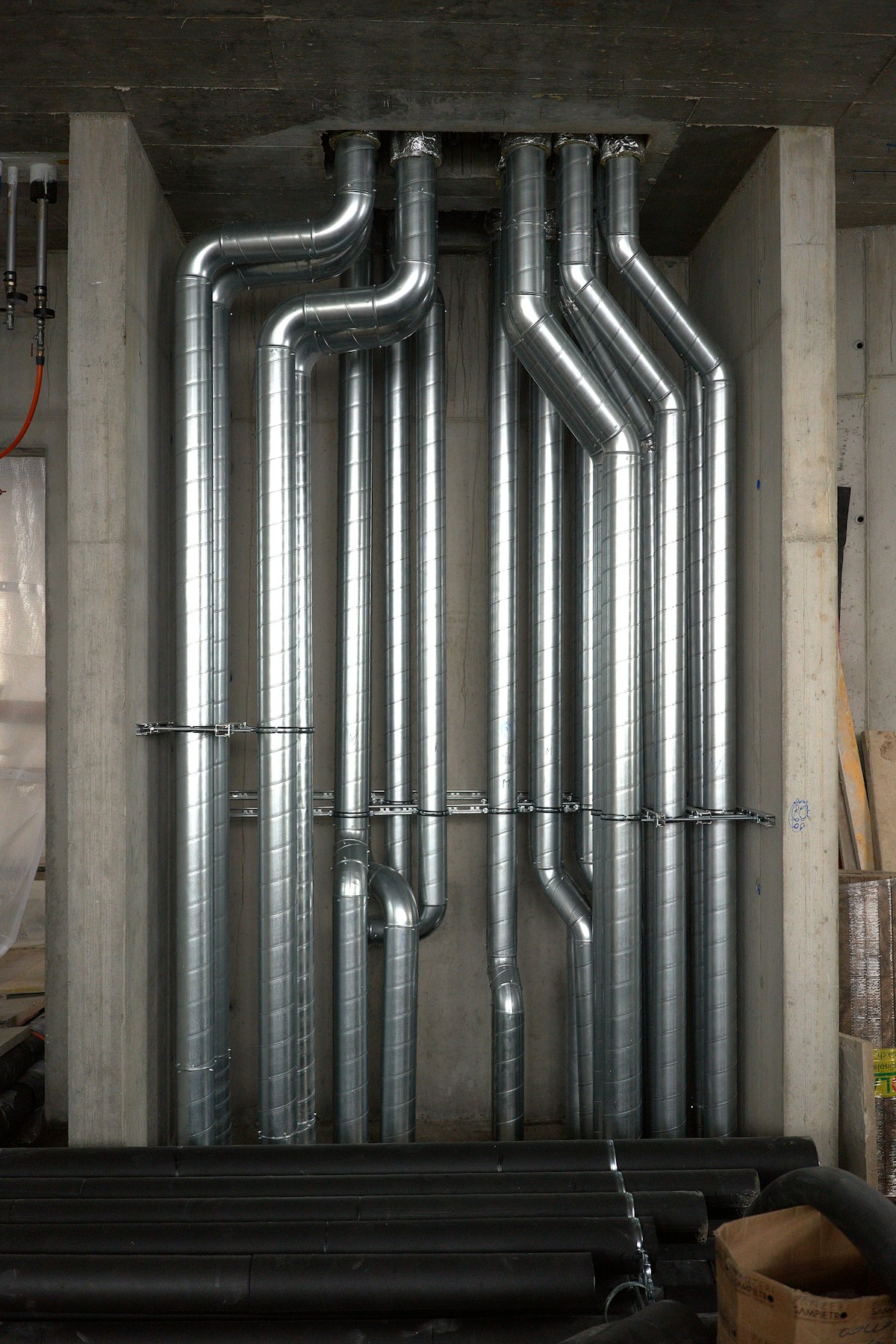
A May 2026 final rule lets residential and light-commercial systems built before 2025 be installed until inventory runs out. The 2025 manufacturing cutoff still stands.
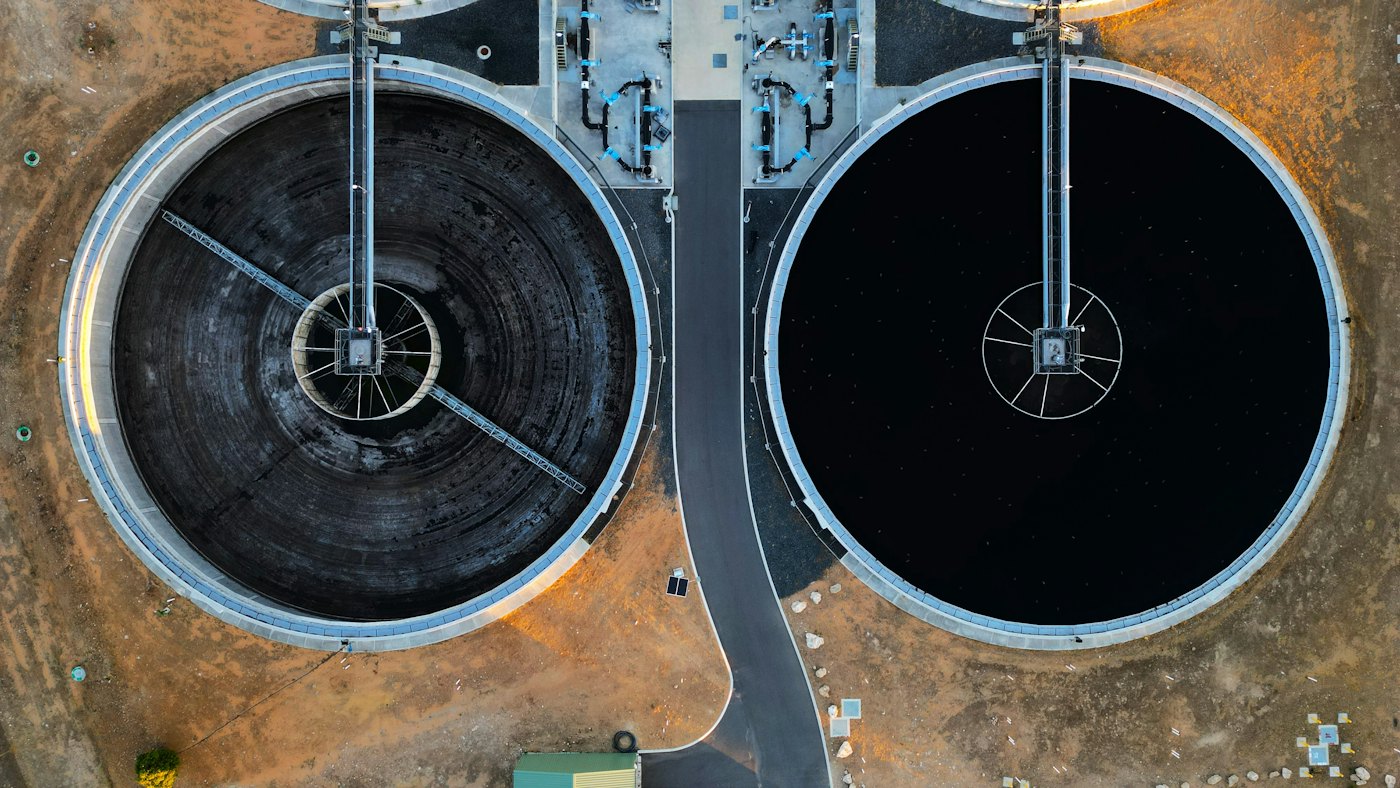
EPA has formally proposed keeping the PFOA and PFOS limits while extending their compliance date and rescinding limits for four other PFAS. Until it’s final, the 2024 rule stands.

ABC’s estimate of the US construction workforce shortfall fell for the second year running, while Canada faces a large wave of retirements. Skilled trades remain in short supply.

The 2025 editions of the National Building, Fire, Plumbing and Energy codes were released in December 2025. Provinces will now decide when and how to adopt them.
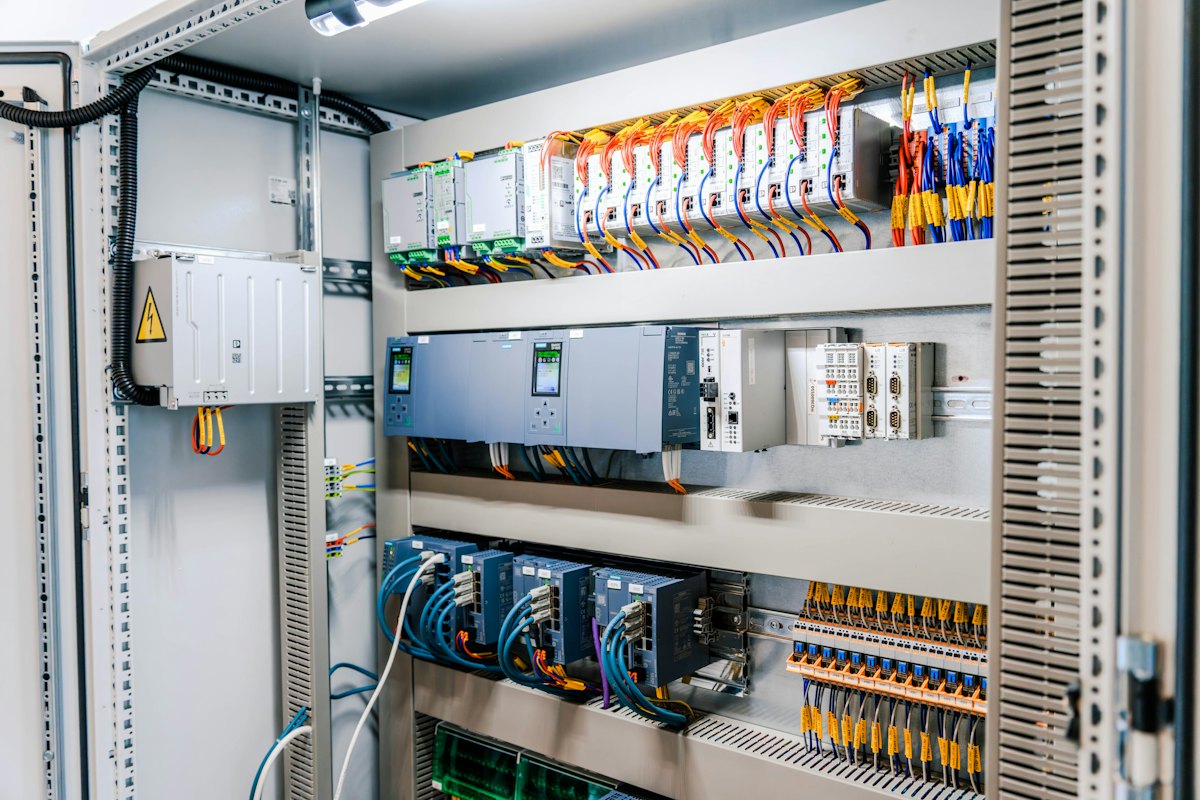
The 2026 edition of NFPA 70 moves load calculations, restructures higher-voltage requirements and adds new articles. Here’s what electrical teams should know.

In student housing, the sprinkler system is often one of the last things standing between a finished building and an occupancy permit. How to keep it off the critical path.

Based on the 2024 Canadian Electrical Code, Ontario’s new code took effect on May 1, 2025, following British Columbia earlier in the spring.

New residential and light-commercial AC and heat pump systems using R-410A can no longer be manufactured or imported in the US. A2L refrigerants are taking over.
The $6 billion fund for water, wastewater and stormwater infrastructure opened its direct-delivery stream on November 7, 2024.
The Lead and Copper Rule Improvements require most US water systems to replace lead service lines within ten years of the 2027 compliance date and lower the lead action level.
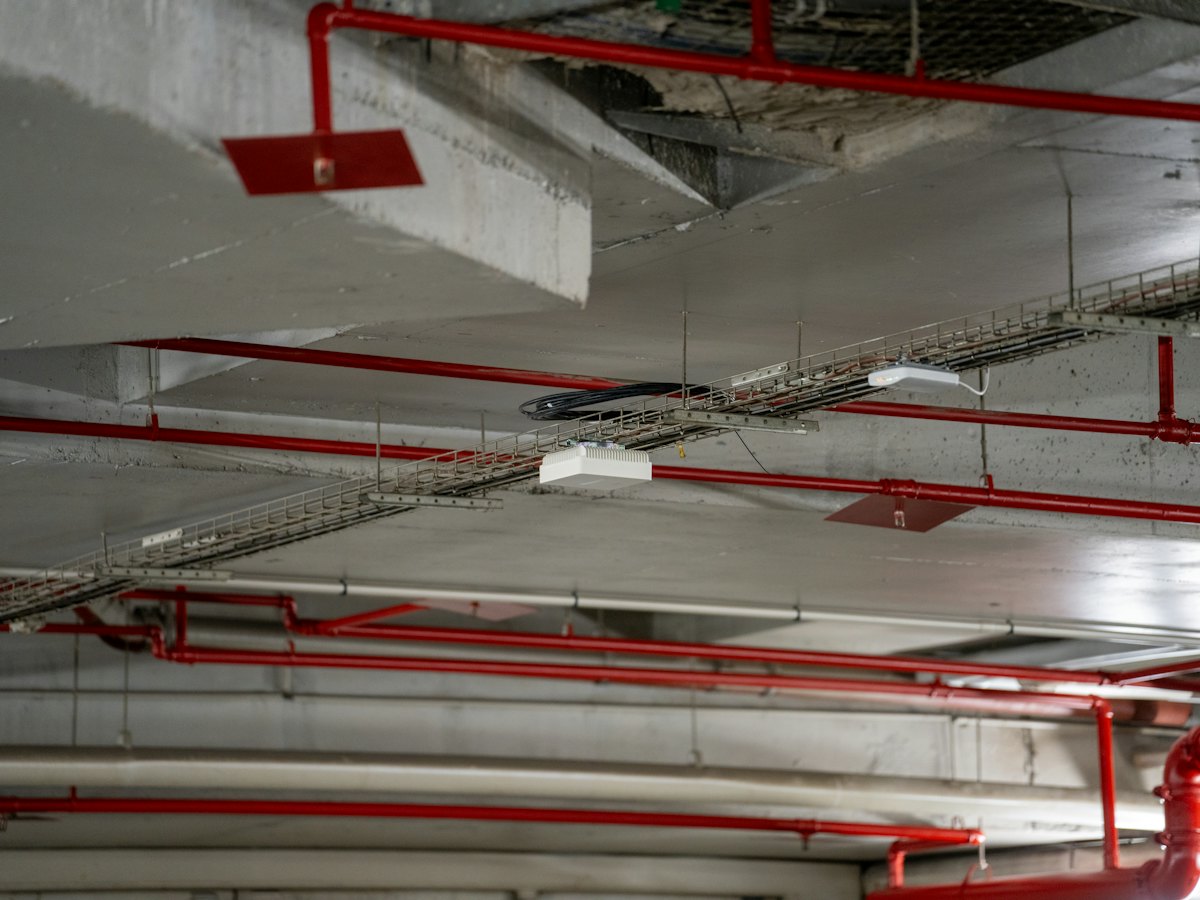
Pipe, duct, conduit, cable tray and sprinkler mains all compete for the same few metres of space. A few habits that prevent clashes and keep equipment serviceable.
The April 2024 rule sets limits of 4 parts per trillion for PFOA and PFOS, with compliance due in 2029. Many utilities will need new treatment.
The 26th edition of CSA C22.1 was released on March 4, 2024, with major revisions for energy storage, EV energy management and worker safety. Provincial adoption comes next.

Canada capped new international study permits in January 2024 and opened federal construction financing to student residences. What it means for campus housing.
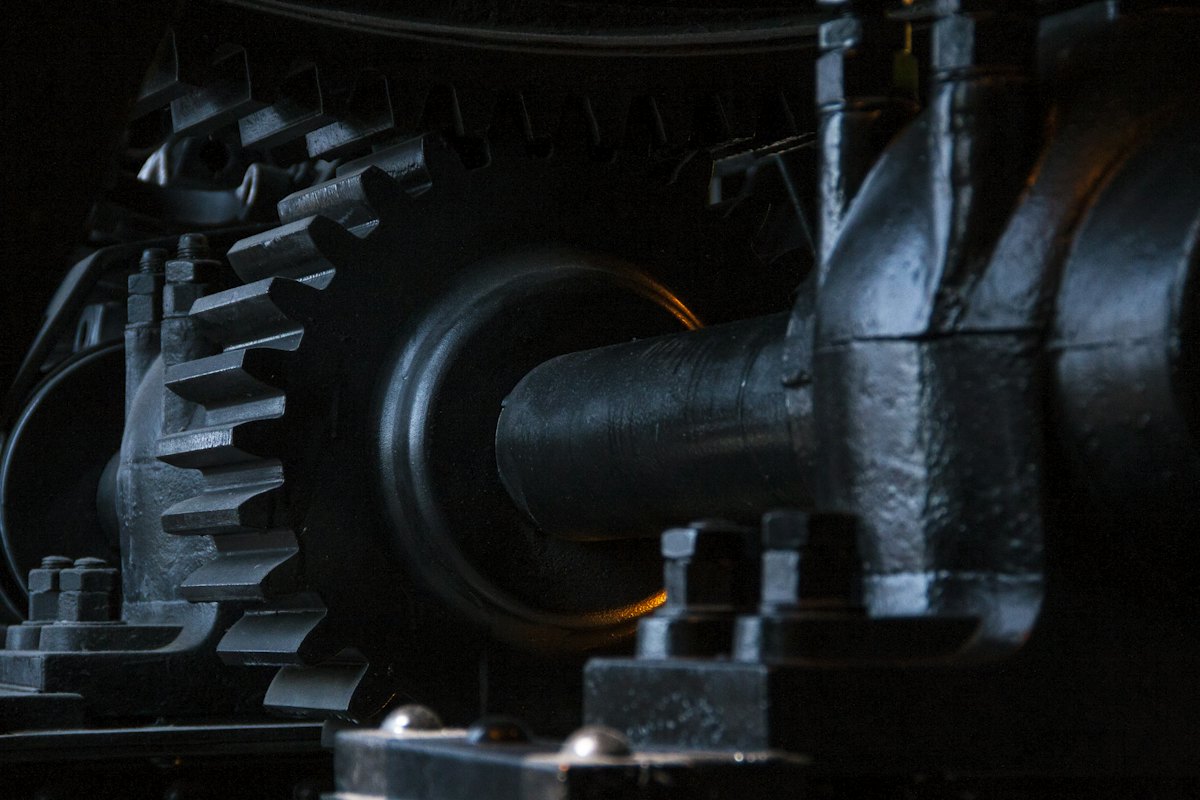
The Department of Energy’s 2023 rule raises efficiency requirements for many medium polyphase motors, with compliance from June 1, 2027.
The 2024 edition of the standard for electrical safety in the workplace adds emergency response planning and tightens how absence of voltage is verified.
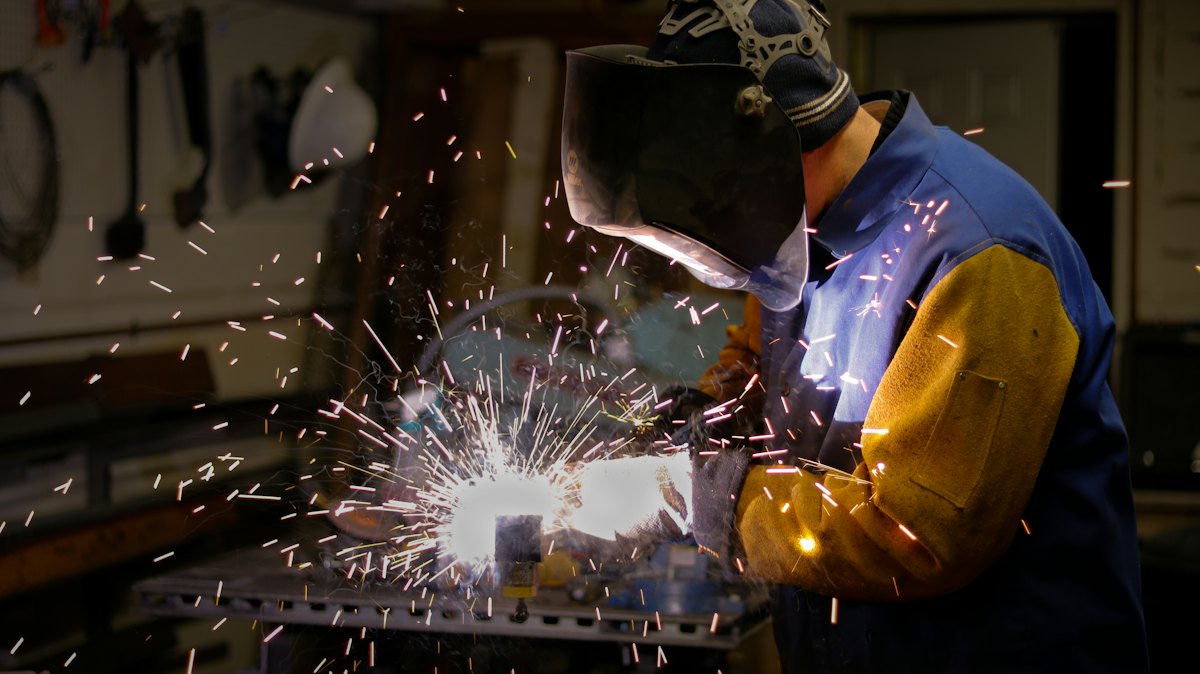
Misalignment, a poor base and pipe strain wear out bearings and seals early. How careful installation helps rotating equipment last.
The 2023 edition of NFPA 70 extends GFCI protection to more 250-volt circuits and adds surge protection requirements for more buildings.
Most station upgrades happen while the station stays in service. A look at how shutdowns, bypass pumping and temporary power are planned.
The 2020 edition of Canada’s national model building code became available in March 2022. Provinces now decide when to adopt it.
The Infrastructure Investment and Jobs Act, signed in November 2021, directs more than $50 billion through EPA to water infrastructure, including $15 billion for lead service lines.
No other articles in this topic yet.
Tell us about the scope, location and schedule. We'll come back with how we'd approach it and which of our trades it needs.