On November 15, 2021, the Infrastructure Investment and Jobs Act, also known as the Bipartisan Infrastructure Law, was signed into law. Among its many programs is the largest federal investment in water infrastructure in years, delivered mainly through EPA’s State Revolving Funds.
The water funding
- $11.7 billion for the Drinking Water State Revolving Fund.
- $15 billion for lead service line replacement.
- $4 billion through the Drinking Water SRF and $5 billion in grants to address emerging contaminants such as PFAS.
- $11.7 billion for the Clean Water State Revolving Fund, plus $1 billion for emerging contaminants in wastewater.
Nearly half of the State Revolving Fund money must go out as grants or forgivable loans to disadvantaged communities.
What it means for projects
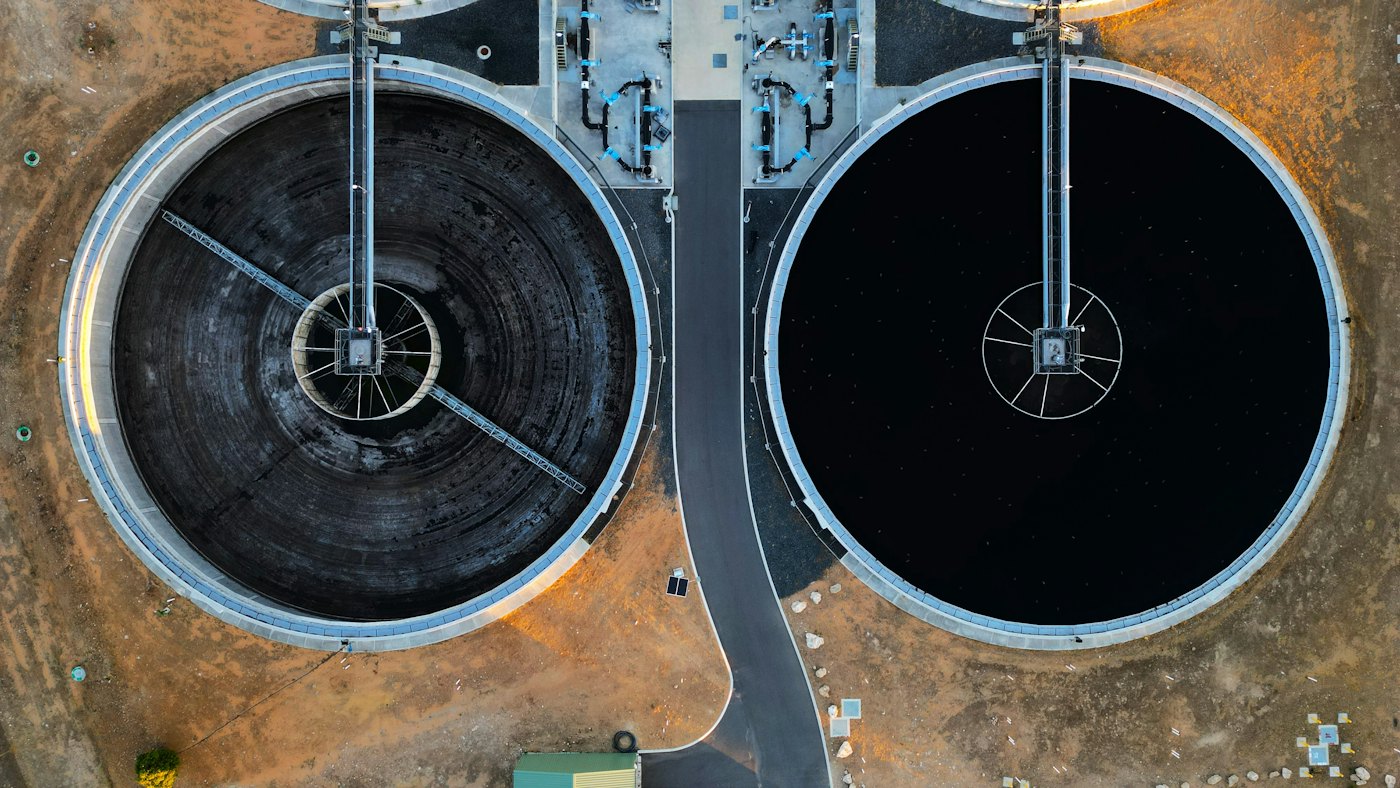
Because the money flows through the states, projects will come forward over several years as state programs set priorities and utilities apply. Much of the work will be upgrades to pumping stations and treatment facilities that are already in service.
Those projects need careful sequencing and multi-trade coordination: pumps and drives, process piping, controls and standby power, often in tight existing buildings. We expect a steady pipeline of this work through the middle of the decade.