Pumps and motors are built to run for decades. But bearings and mechanical seals often fail years early, and the cause is frequently traced back to how the equipment was installed.
The usual causes
- Misalignment. Even a small offset between pump and motor shafts adds load on bearings and seals with every rotation.
- A weak foundation. Baseplates that aren’t level, properly supported or fully grouted let equipment move and vibrate.
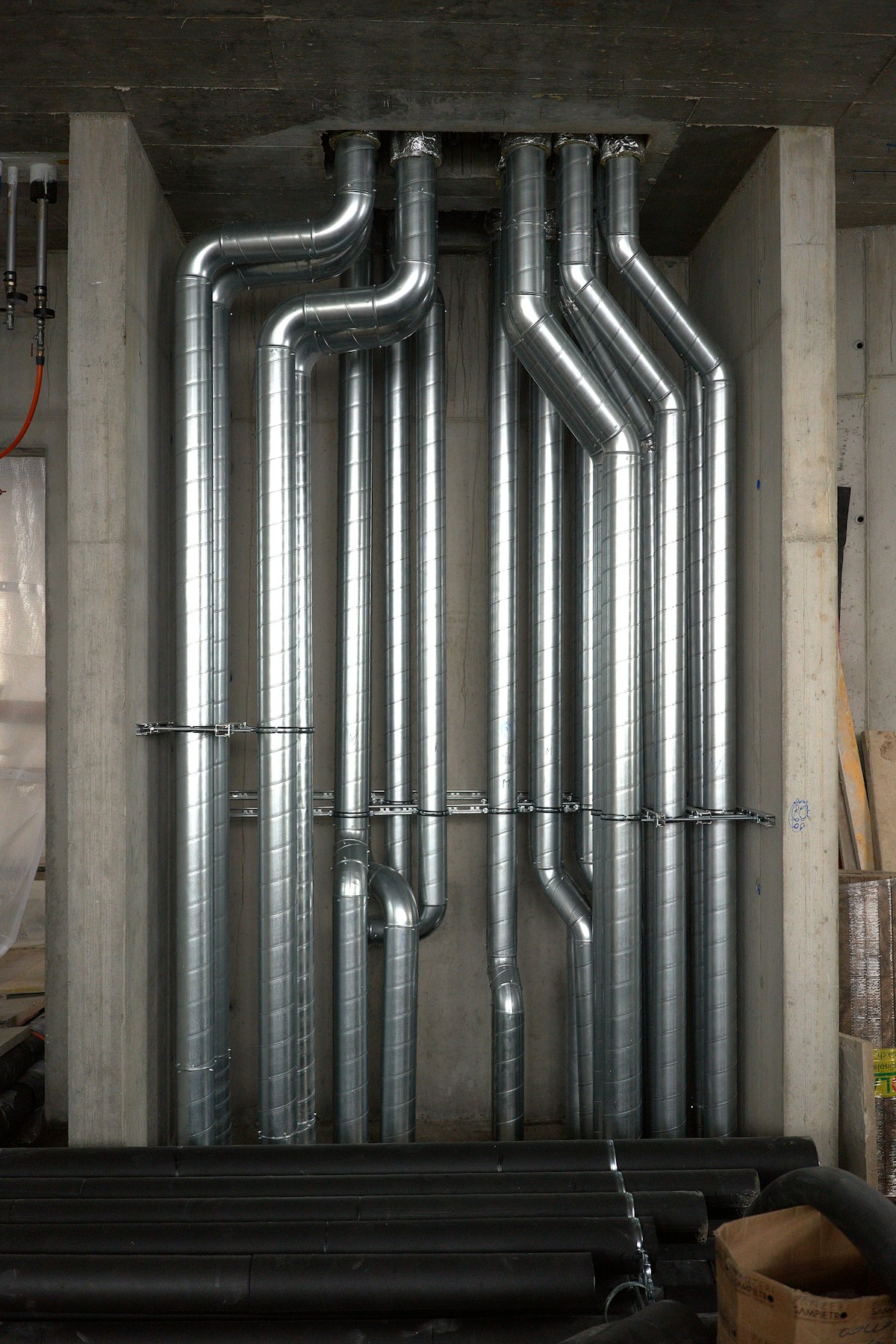
- Pipe strain. Piping forced into position pulls the pump casing out of alignment, often after the equipment has already been aligned.
- Soft foot. When one support doesn’t sit flat, tightening the hold-down bolts distorts the machine frame.
Good practice
Industry guidance such as API 686 sets out a sequence: set and level the base, grout it properly, connect piping without forcing it, then do the final alignment. Checking alignment again after the piping is connected shows whether the piping is pulling on the pump.
Laser alignment tools make precise alignment practical in the field. Recording vibration and temperature at start-up gives maintenance teams a baseline to compare against in the future.
Why trade coordination matters
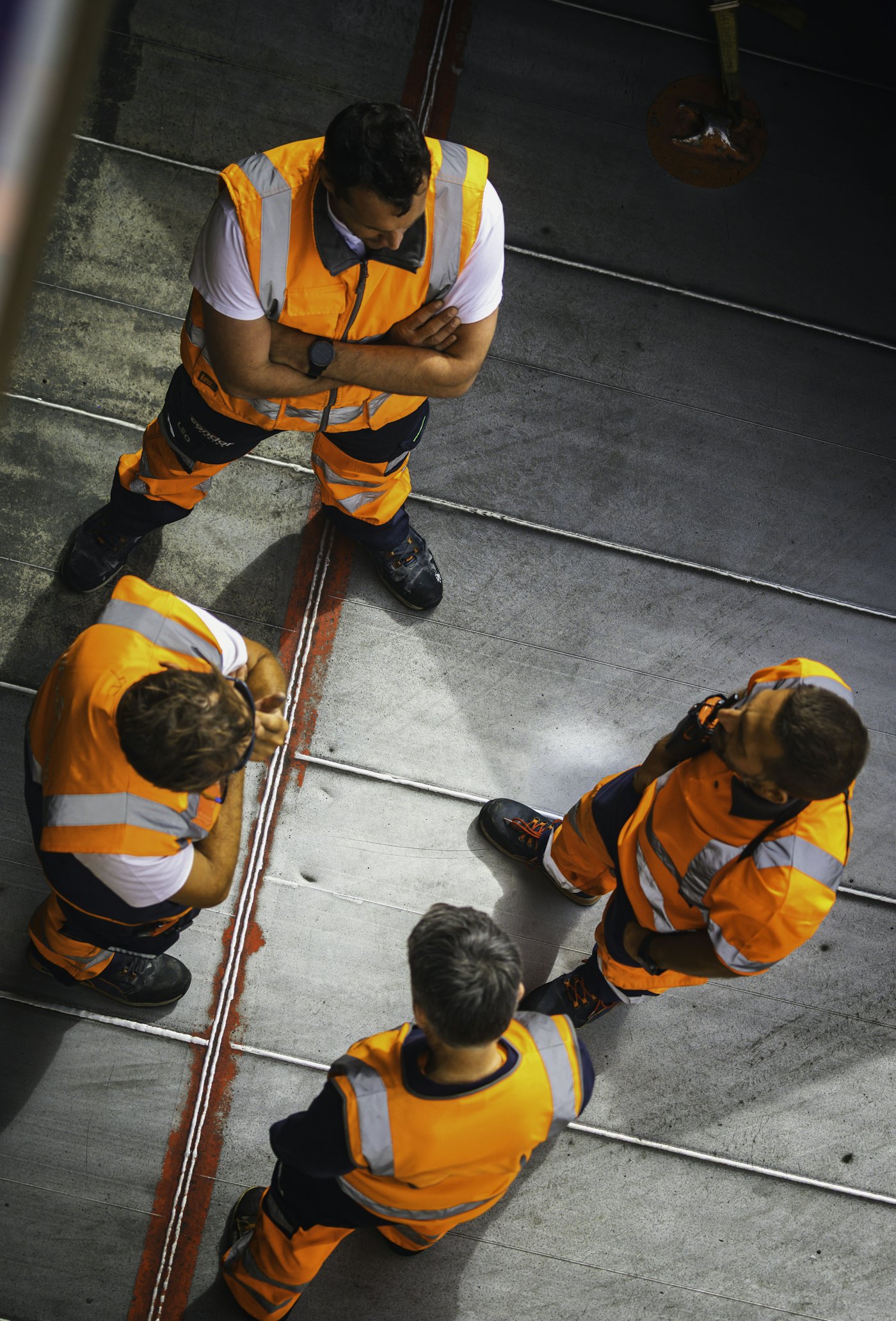
Pipe strain is a good example of a problem that lives between trades: the pipefitter connects the piping and the millwright aligns the pump. When both work for the same contractor and follow the same sequence, it is much easier to catch.