On May 18, 2026, the US EPA formally proposed changes to the PFAS drinking water regulation it finalized in April 2024. The proposal follows an announcement EPA made a year earlier, in May 2025.
Under the proposal, the limits of 4.0 parts per trillion for PFOA and PFOS would stay in place, but water systems could get more time to comply, potentially to 2031. The limits set in 2024 for PFHxS, PFNA, HFPO-DA (GenX) and the Hazard Index for mixtures would be rescinded.
It’s a proposal, not a final rule
This point is often misreported. The public comment period closed on July 20, 2026. Until EPA finalizes the changes, the 2024 rule remains the rule on paper, with initial monitoring due by 2027 and compliance with the limits due in 2029.
What it means for utilities
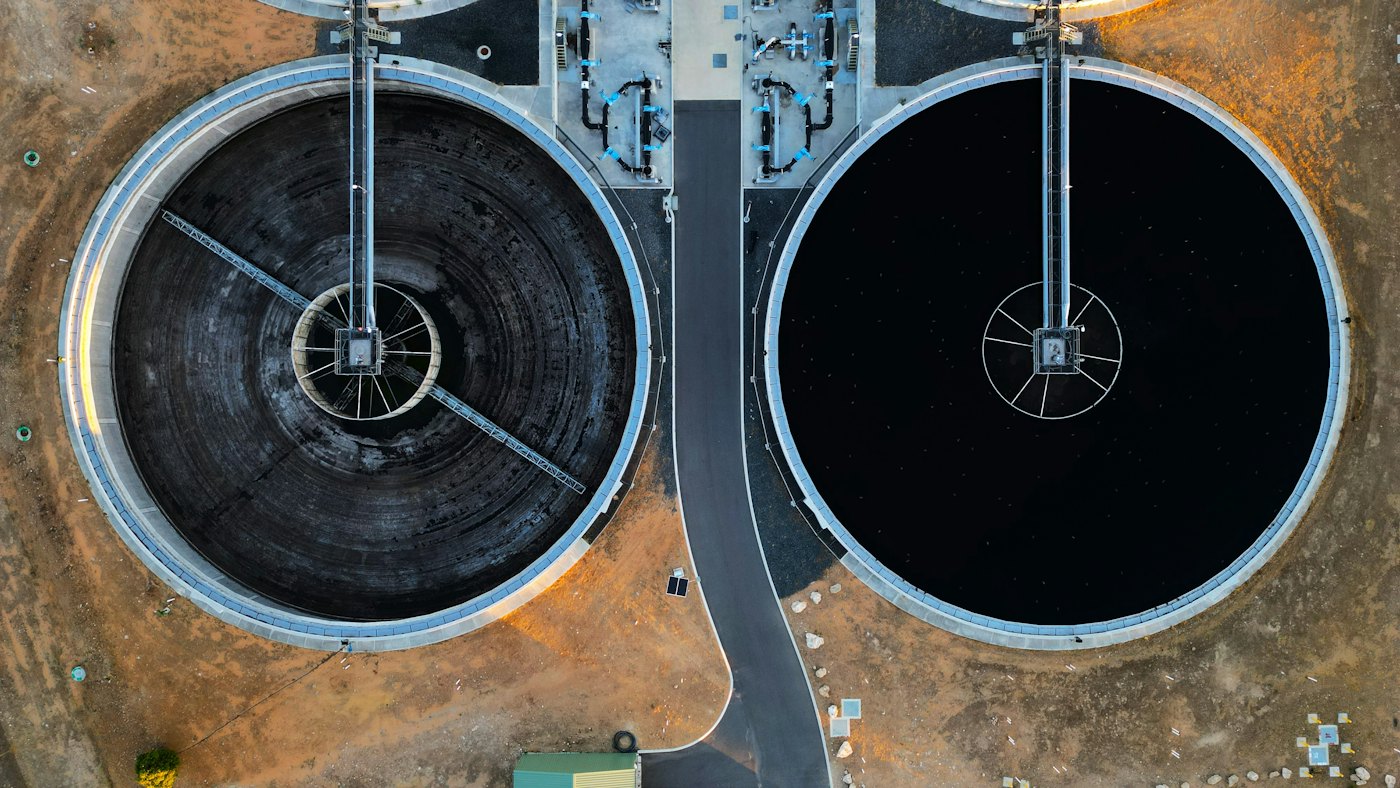
For most utilities with PFOA or PFOS above the limits, the work hasn’t gone away. Treatment, usually granular activated carbon, ion exchange or high-pressure membranes, still has to be planned, funded, designed and built. A longer compliance window mainly changes how that work can be scheduled.
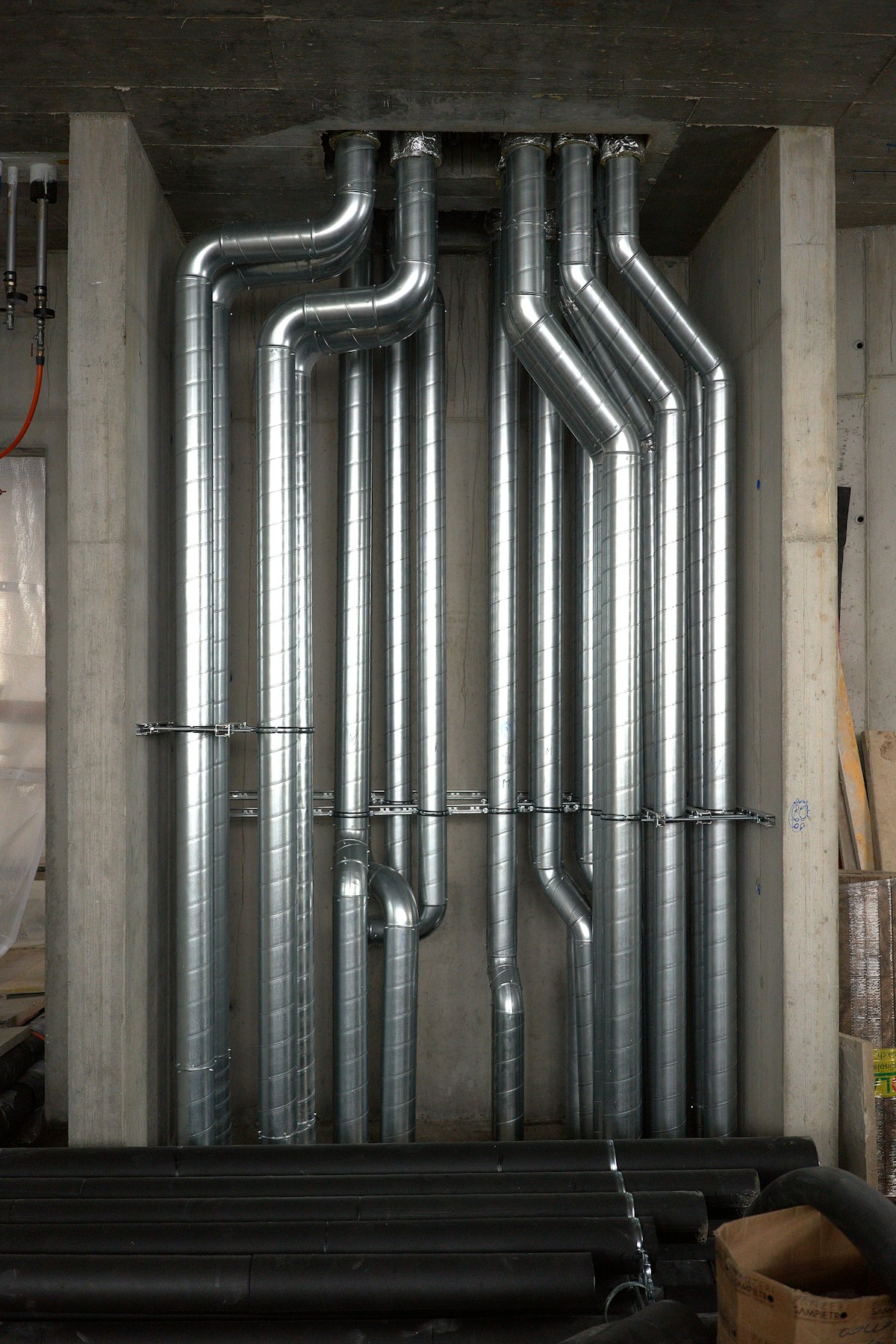
Treatment upgrades are typically added to existing plants and well sites that stay in service during construction. They bring new process piping, pumps, controls and electrical capacity into facilities that were never designed for them. That makes early planning around shutdowns, tie-ins and power supply just as important as the treatment technology itself.