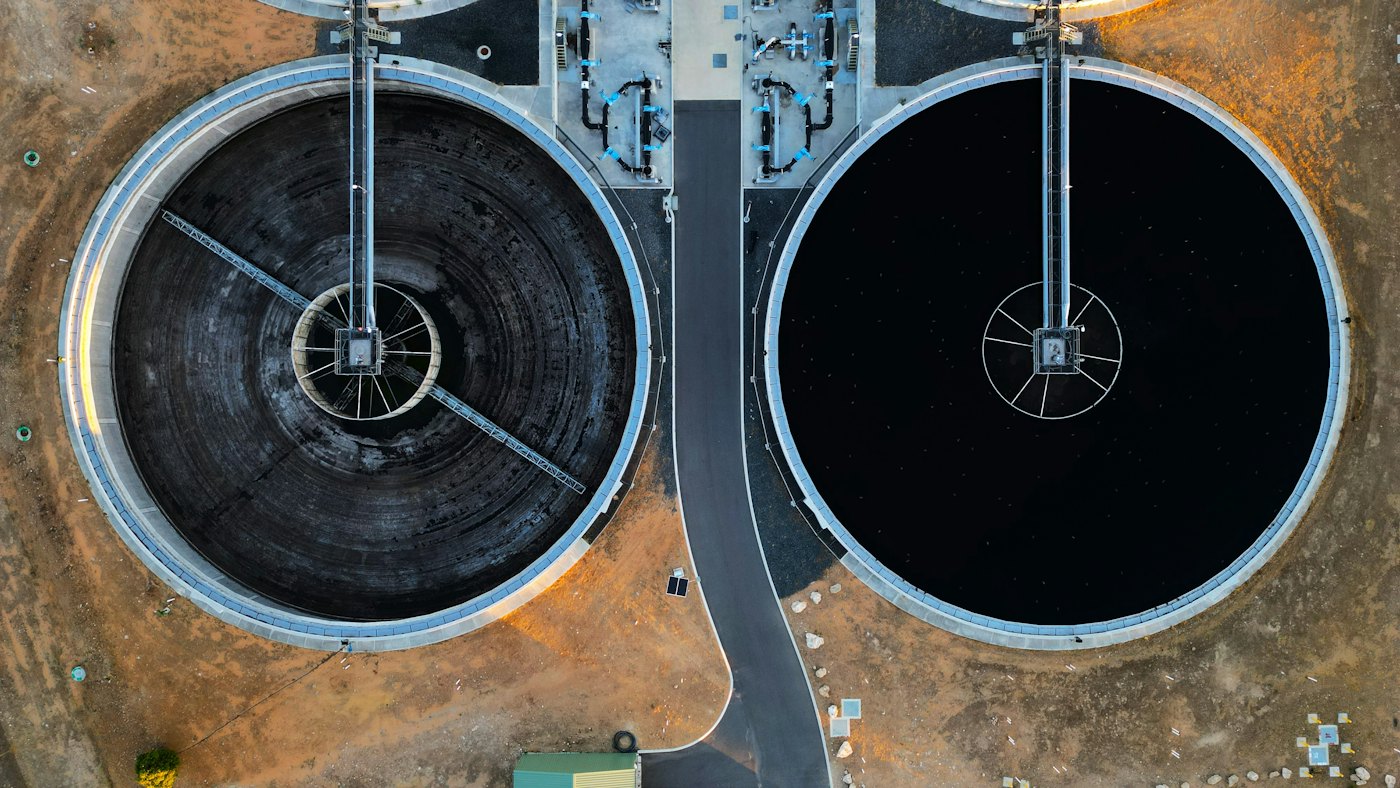
Lift and booster stations rarely get to shut down for construction. Wastewater keeps arriving, and customers expect water pressure at the tap. So when a station needs new pumps, motor control or standby power, the work is usually done around a facility that’s still running.
Start with the operators
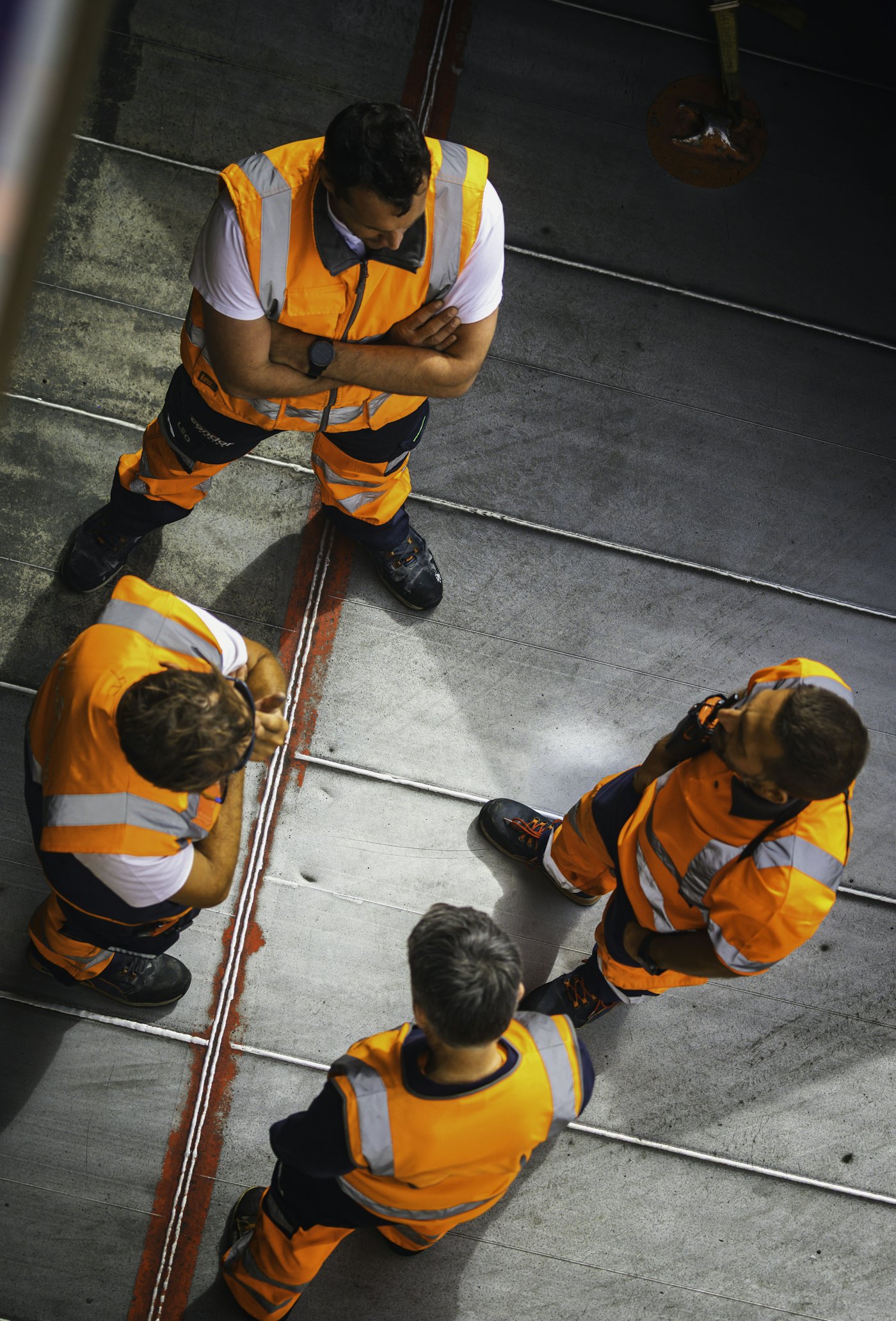
Operators know how a station really behaves: how flows change through the day, which units can safely come out of service and what happens during a storm. Shutdown planning starts with them, not with the drawings.
What a good shutdown plan covers
- Capacity at every stage. Which pumps stay online while others are replaced, and what firm capacity is left.
- Bypass pumping when there isn’t enough capacity to keep the station running during a stage.
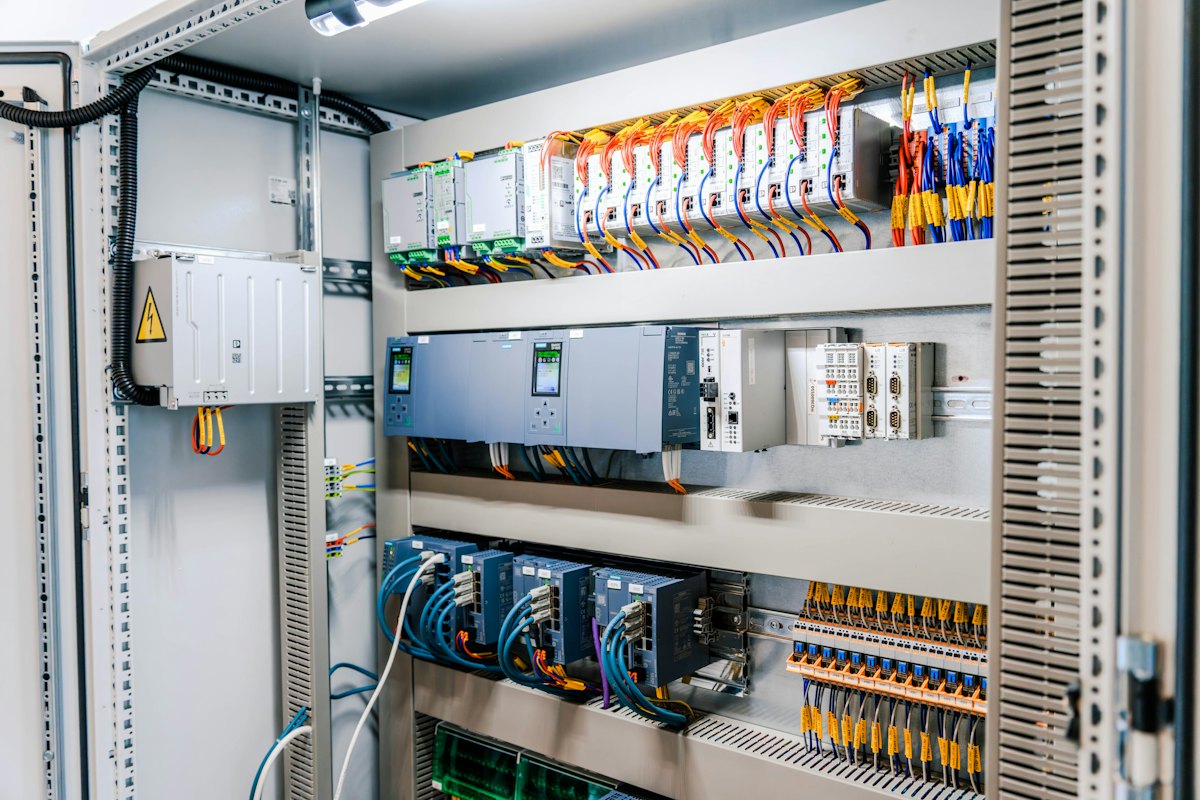
- Temporary power for electrical changeovers, including generators and temporary connections.
- Step-by-step procedures for each outage, agreed with the operator in advance, with clear hold points and a way to reverse each step.
- Weather and flow windows chosen to avoid peak demand periods.
- Contingency plans if something unexpected is found when equipment is opened up.
One team, one window
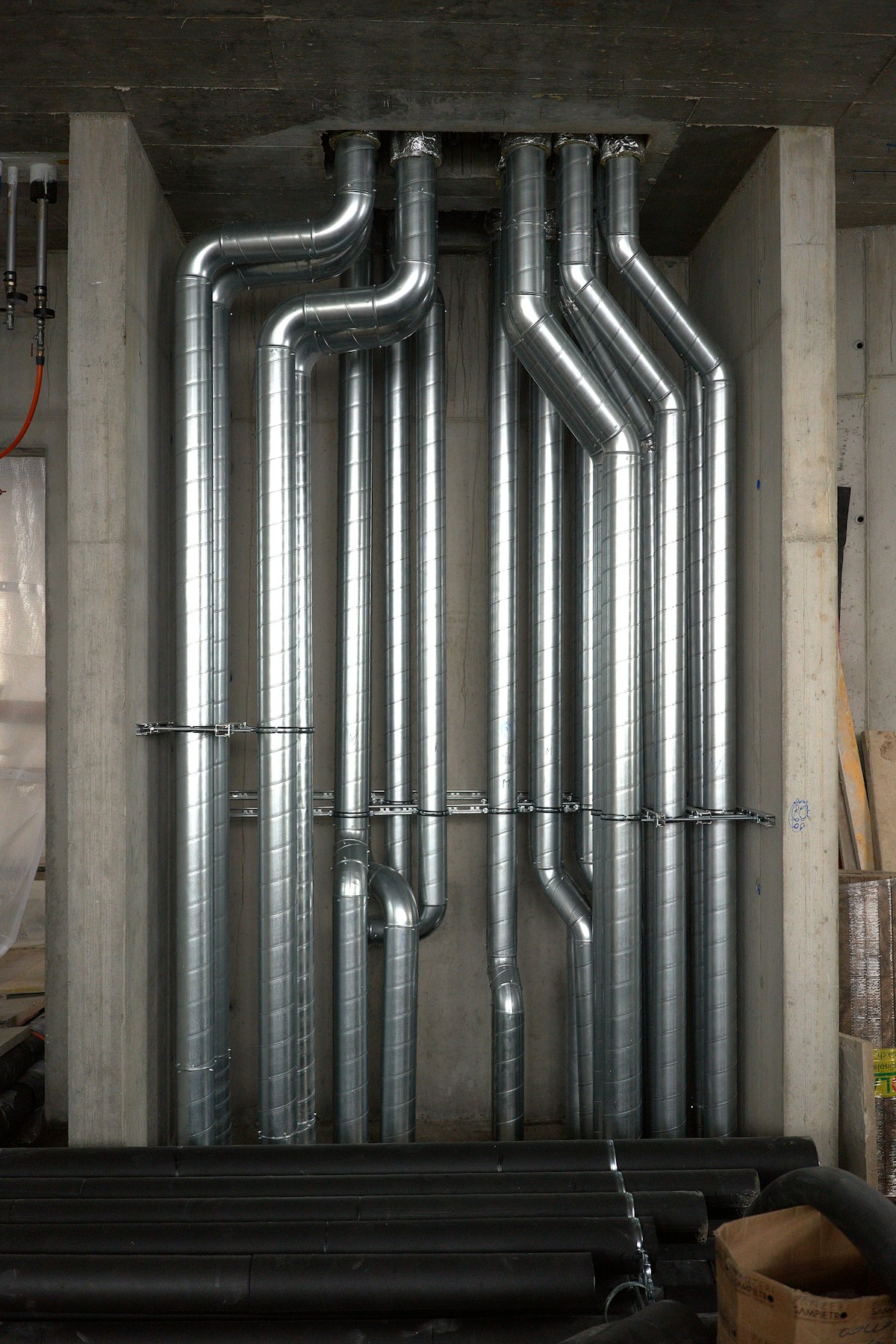
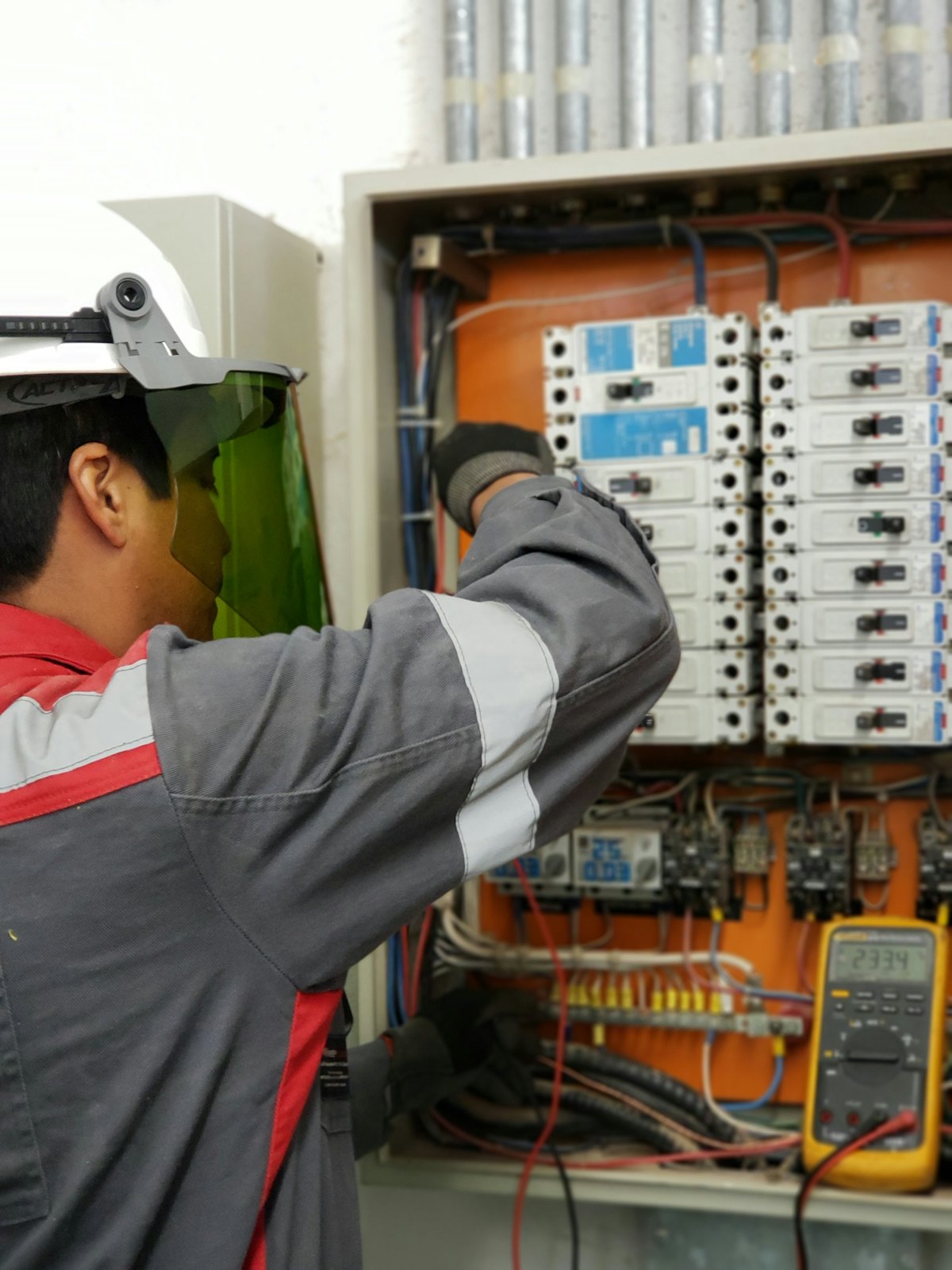
Replacing a pump typically involves all three of our station trades: millwrights remove and set the equipment, pipefitters make the connections and electricians wire, test and energize it. When those crews work for the same company, the work fits into one coordinated outage instead of three separate ones.