The trades gap is narrowing, but it hasn’t closed
ABC’s estimate of the US construction workforce shortfall fell for the second year running, while Canada faces a large wave of retirements. Skilled trades remain in short supply.
From the service entrance to the last device, our electrical crews build the distribution, controls and life-safety systems that keep pumping stations, campuses and residences running.
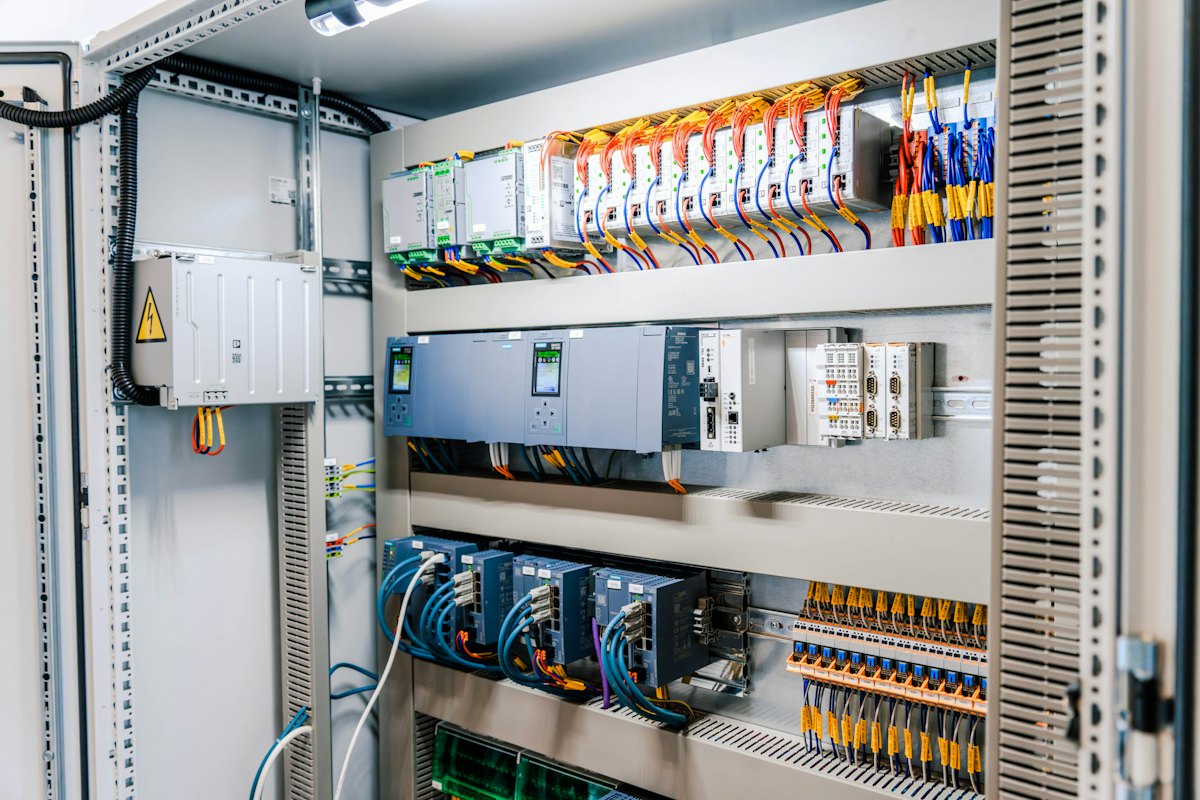
Pumps don’t run, sprinkler monitoring doesn’t report and ventilation doesn’t move air until the electrical work is finished, tested and energized. That puts electrical on the critical path of almost every project we take on.
Our electrical crews handle the full scope, from medium-voltage service and distribution through motor control, controls wiring and the low-voltage systems that tie a building together. Because the same company is installing the mechanical, fire protection and rotating equipment, we know what each piece of equipment needs before it arrives on site.
Delivered by our own electrical crews, coordinated with the rest of the Enertec team on the same project.
Service entrances, switchgear, transformers and feeders sized for today’s load and tomorrow’s expansion.
Motor control centres, VFDs and starters for pumps, fans and process equipment.
PLC panels, instrumentation and SCADA integration, wired and tested end to end.
Generators, automatic transfer switches and emergency lighting for facilities that can’t lose power.
Interior, exterior and site lighting with controls, plus branch wiring throughout.
Fire alarm, security, access control and structured cabling coordinated with the base build.
The same sequence on every project, adapted to the facility and the schedule.
We check the design loads, equipment schedules and single-line diagram against what the other trades are actually installing.
For live facilities, every outage is scheduled, sequenced and backed by temporary power where needed.
Raceway, cable and equipment installed to the drawings, with as-built changes tracked as we go.
Insulation resistance, torque checks, functional testing of controls and witnessed start-up with the owner.
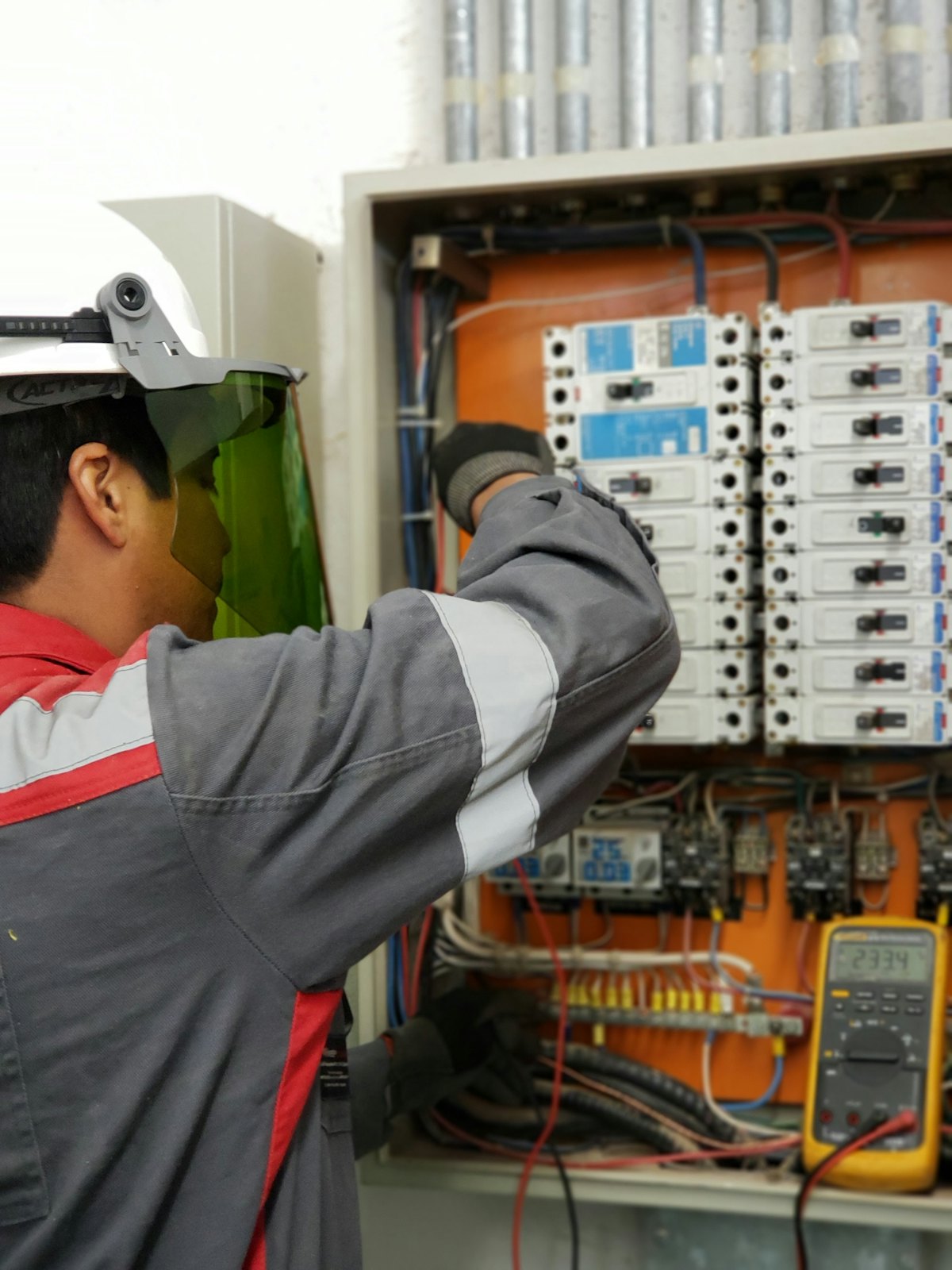
We label, test and document every system so the people running the building can find what they need years later.
On upgrades to live facilities, we plan shutdowns and temporary power in detail, so service is interrupted for as little time as possible.
Electrical work across the sectors we serve, often alongside our other trades on the same project.





Code changes and industry updates that affect electrical work.
All news
ABC’s estimate of the US construction workforce shortfall fell for the second year running, while Canada faces a large wave of retirements. Skilled trades remain in short supply.
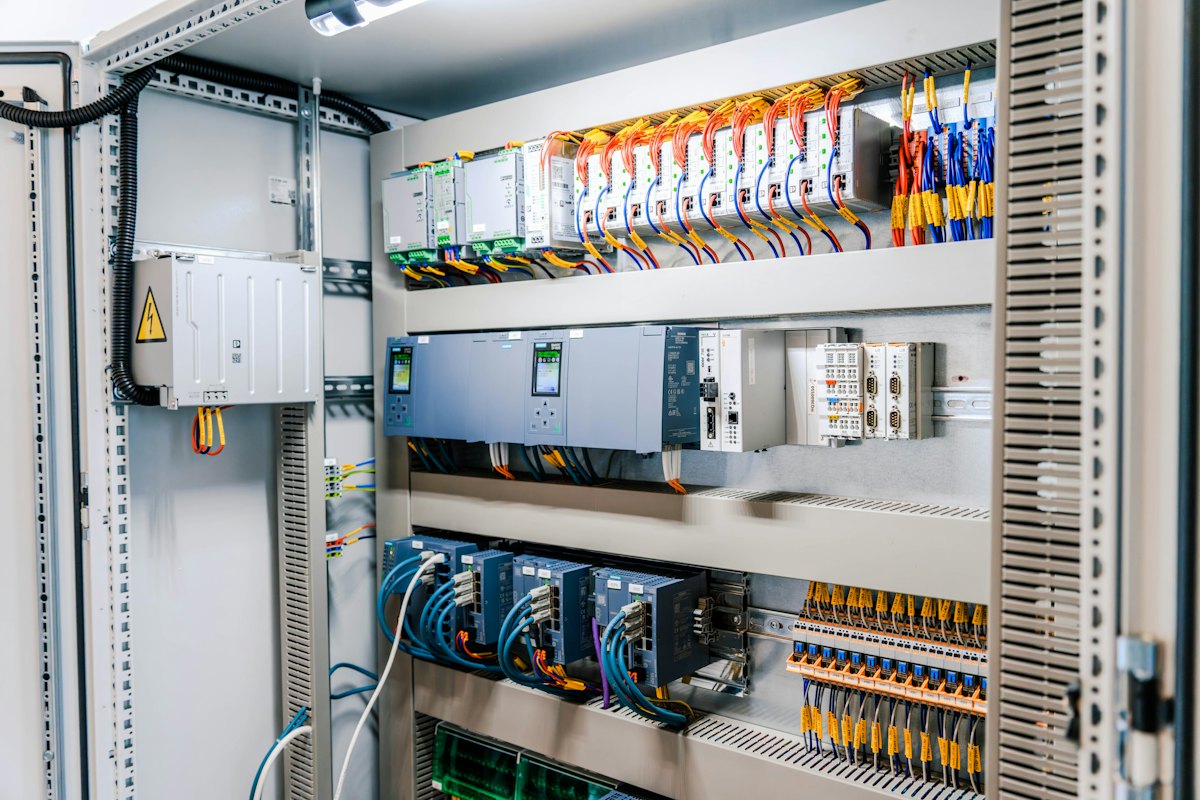
The 2026 edition of NFPA 70 moves load calculations, restructures higher-voltage requirements and adds new articles. Here’s what electrical teams should know.
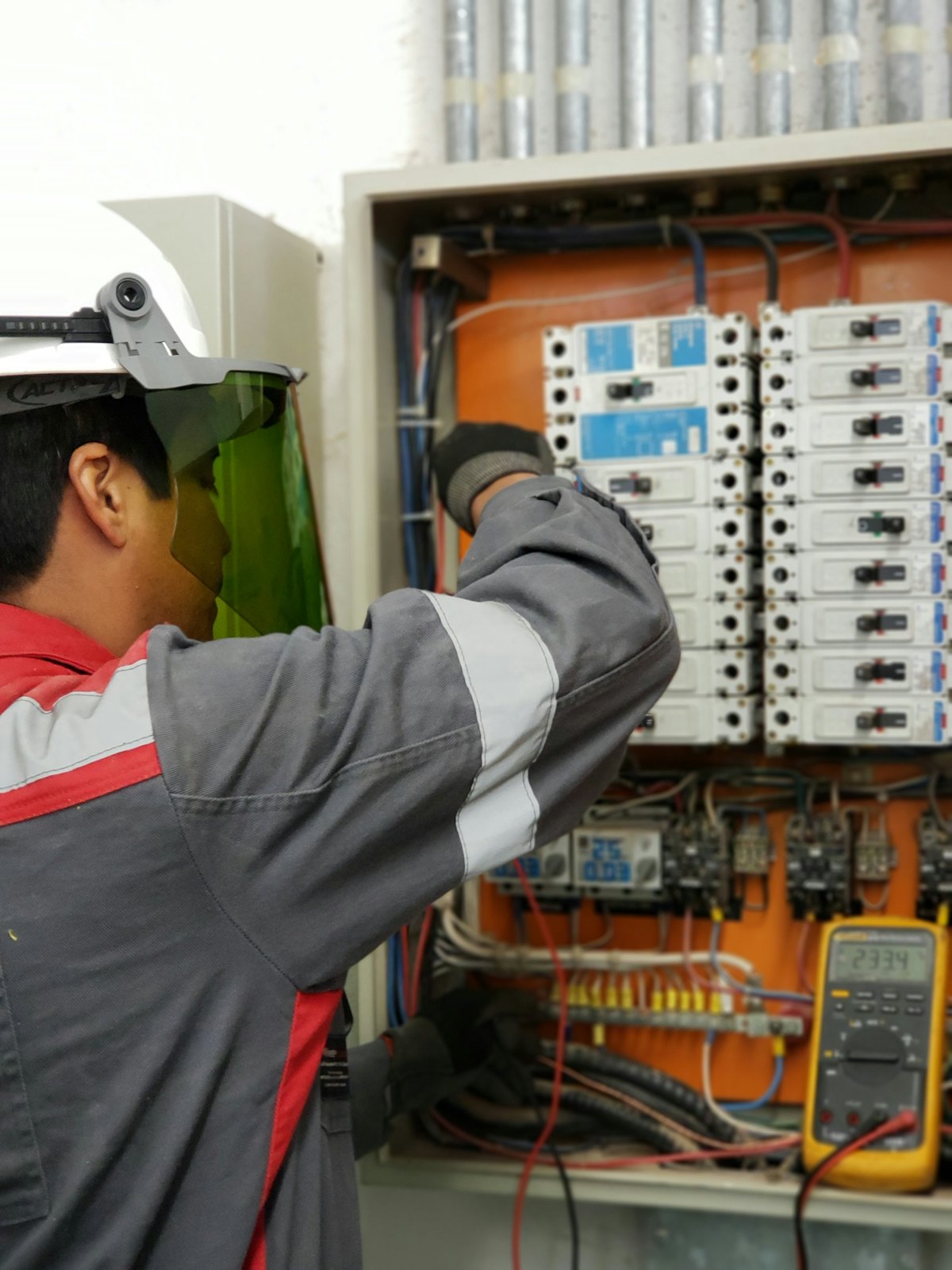
Based on the 2024 Canadian Electrical Code, Ontario’s new code took effect on May 1, 2025, following British Columbia earlier in the spring.
Tell us about the scope, location and schedule. We'll come back with how we'd approach it and which of our trades it needs.